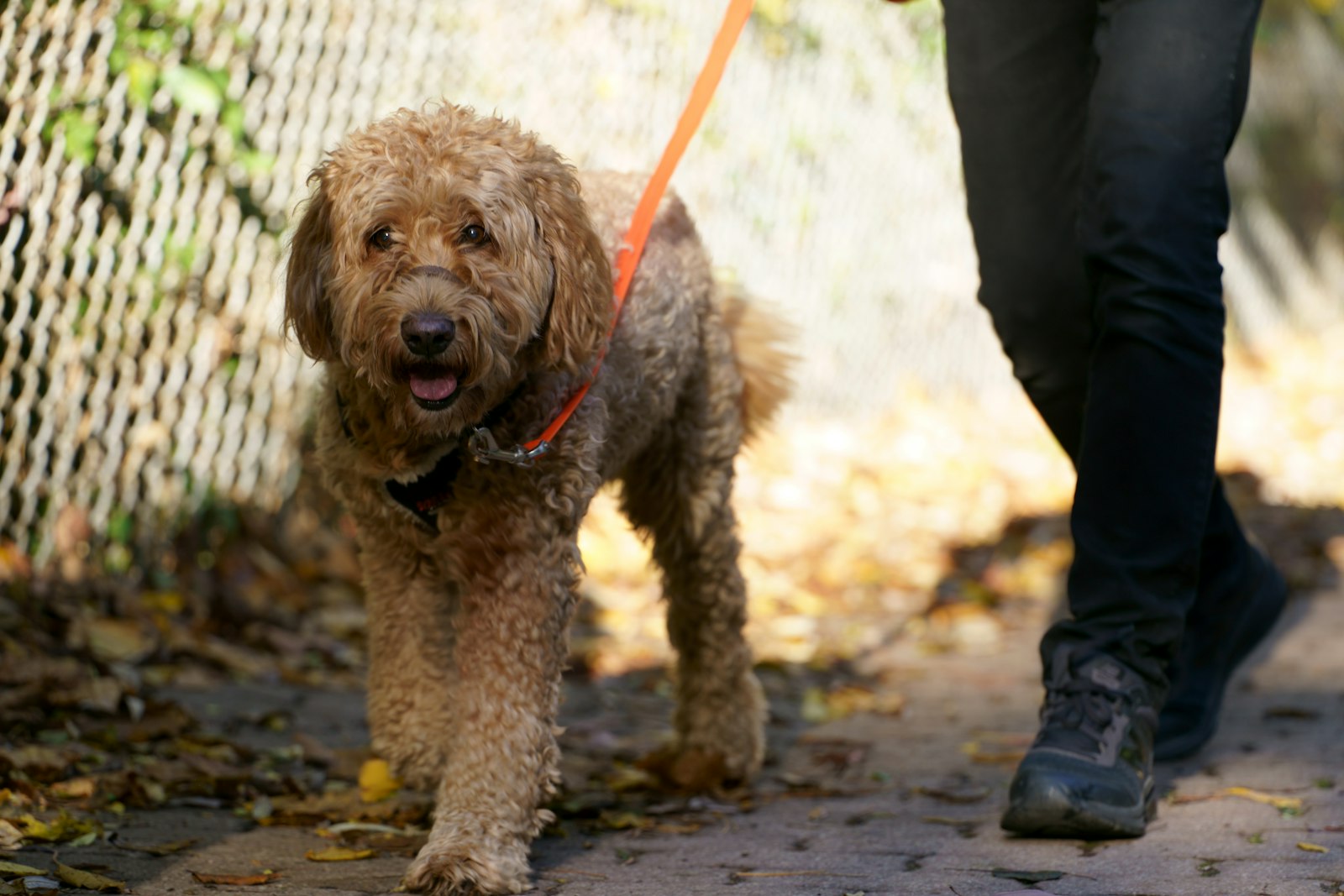
Dog training in San Ramon, CA: building a dog who fits real life
Dog training in San Ramon is about more than teaching a few commands. For most owners, it is about helping a dog handle everyday life calmly and reliably, whether that means walking through Gale Ranch without pulling, settling at home after a busy day, or staying connected around kids, bikes, runners, and other dogs.
That practical side of training matters in a city where many families balance work, school, activities, and time outdoors. A dog who understands what is expected is easier to live with, easier to bring along, and usually less stressed. The goal is not a perfect dog. It is a dog who can listen, recover, and make better choices in the places you actually go every week.
Why dog training matters in daily life
Many people start training because of one obvious problem, like leash pulling, jumping on guests, barking at every sound, or ignoring recall. But those issues are often symptoms of something broader. Dogs need clear guidance in human spaces, and they need enough repetition for good behavior to become routine.
Training also helps with safety. It matters around roads, front doors, parks, shared paths, and busy public spaces. Just as important, it helps many dogs feel more confident. A lot of unwanted behavior comes from excitement, frustration, or uncertainty, not stubbornness. When a dog knows what to do, life usually gets easier for everyone.
That is especially true in San Ramon. Even in quieter neighborhoods, dogs still run into delivery drivers, school traffic, strollers, joggers, and bikes. A dog who can stay engaged with its owner in those situations is much easier to live with than one who feels overwhelmed every time the environment gets busy.
The most useful training goals are everyday ones
The best training goals are usually simple. Can your dog walk without dragging you down the block? Can your dog greet people without jumping? Can your dog relax while the family eats dinner? Can your dog come when called when something more interesting is happening nearby?
Those are the skills that change daily life.
For San Ramon families, useful goals often include calm neighborhood walks, better focus at community parks, polite behavior when visitors come over, and a reliable settle cue at home. If you spend time near City Center Bishop Ranch, local shopping areas, or shared-use paths like the Iron Horse Regional Trail, it also helps to teach your dog how to pass distractions without turning every outing into a struggle.
That is why good training should go beyond what happens in a lesson. It should show you how to practice in real settings, with manageable steps and expectations that match your dog’s current skill level.
Puppies, adolescent dogs, and adults need different approaches
Dog training is never one-size-fits-all. A young puppy, a teenage dog, and an adult rescue often need very different support.
Puppies need structure early. That usually means house training, crate comfort, handling, social exposure, name response, and learning that paying attention to people is worthwhile. At this stage, life skills matter more than tricks. A puppy who can settle, accept grooming, and walk calmly for short stretches is already learning habits that will pay off later.
Adolescent dogs are often where owners hit a wall. These dogs may seem to know cues at home and ignore them outside. Energy goes up, impulse control drops, and distractions suddenly matter much more. That can be frustrating, but it is also normal. Teenage dogs usually improve most with short, consistent practice and clear follow-through, not harsher corrections.
Adult dogs can make major progress too. Many benefit from training that focuses on leash manners, overexcitement, reactivity, or better behavior at home. Even older dogs often improve when the training is relevant to their actual routine and practiced consistently.
What to look for in a dog trainer in San Ramon
Choosing the right trainer matters as much as deciding to train at all. A good trainer should be able to explain what to do, why it works, and how to keep practicing between sessions. You should leave with more clarity, not more confusion.
Look for a trainer whose plan fits your dog’s age, temperament, and specific challenges. A young puppy may need early social learning and household manners. A dog with leash reactivity may need something more focused than a basic obedience class. The right program depends on the dog in front of you, not just a standard package.
It also helps to pay attention to how much owner education is included. Training works best when people change their habits too. Strong programs usually teach owners how to reward good choices, prevent rehearsing bad ones, and build skills in small, realistic steps.
Cost can vary depending on the format. Group classes are often the most budget-friendly option. Private sessions, day training, and behavior-focused work usually cost more. In practice, the best value often comes from choosing an option you can stick with long enough to see real progress.
Why real-world practice matters in San Ramon
A dog may look well trained in the living room and fall apart on a walk. That does not mean the training failed. It usually means the skill has not been practiced in the places that matter yet.
San Ramon gives owners plenty of opportunities to work on practical behavior. Neighborhoods like Windemere or Dougherty Valley can be good for calm leash walking and polite passing. Wider open areas and local trails can help with engagement and recall foundations on leash. Around Central Park or the Iron Horse corridor, owners can practice attention while bikes, runners, and other dogs move through the environment.
The key is not to throw a dog into chaos too soon. It is to build the skill gradually in normal local conditions.
The same idea applies at home. If your dog rushes the front door, practice there. If greetings go badly, work on structured arrivals. If evenings are the hardest part of the day, that is a good time to teach settling instead of saving training for the quietest moment.
Common dog training mistakes owners make
- Expecting skills to transfer too quickly: Dogs do not automatically understand that a cue in the kitchen means the same thing in a park full of distractions.
- Waiting until the behavior is a problem: It is much easier to build recall, loose-leash walking, and calm greetings early than to fix them after months of inconsistency.
- Asking for too much at once: Long sessions and repeated commands usually slow progress down. Short, successful reps work better.
- Ignoring management: Gates, leashes indoors, food puzzles, routines, and distance from triggers are not shortcuts. They often make training possible.
For many dogs, five focused minutes done well will help more than a long session done when everyone is tired or frustrated.
The long-term goal is a dog who can live well with you
The strongest training outcome is not a dog who performs constantly. It is a dog who can fit into everyday life. That means listening when it matters, recovering more quickly from distractions, and understanding how to behave in your home and community.
For San Ramon owners, that often means a dog who can walk calmly through the neighborhood, stay composed around normal activity, enjoy parks and trails more responsibly, and settle at home without constant correction. That kind of dog is not built overnight, but it is very achievable with a clear plan and steady practice.
Good dog training is really an investment in your future routine. It can lower stress, prevent bigger behavior problems, and make it easier to include your dog in the life you want to share. When training is practical and matched to real life, the benefits show up every day.